
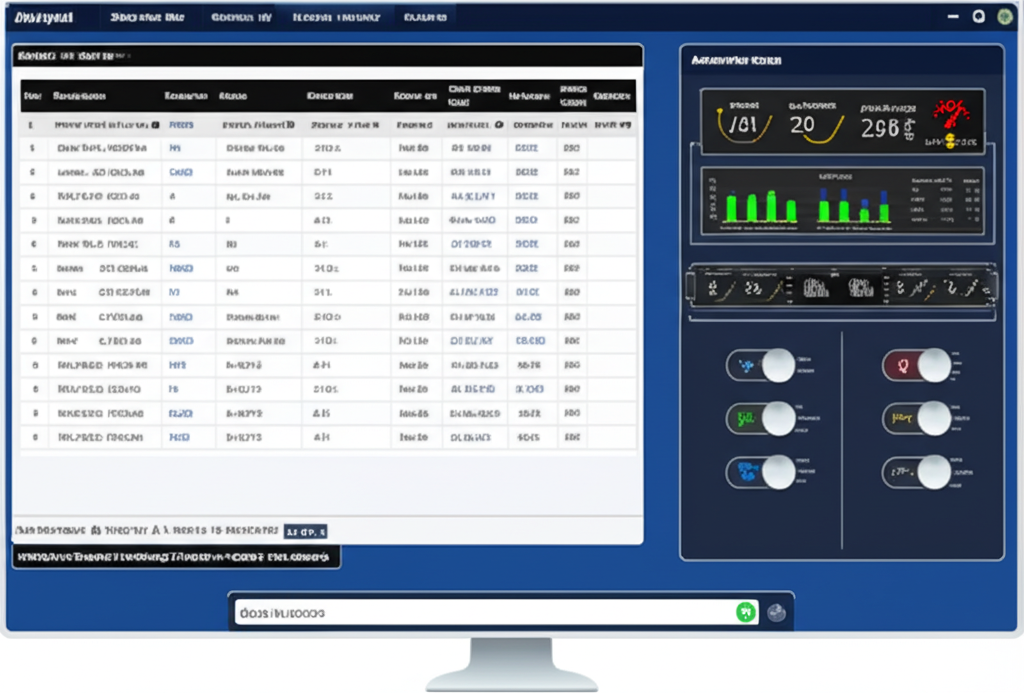
Manufacturing ERP and Process Automation: Digitizing Your Shop Floor
In today's competitive landscape, manufacturers are constantly seeking ways to improve efficiency, reduce costs, and enhance product quality. One of the most effective strategies for achieving these goals is through the implementation of Manufacturing ERP (Enterprise Resource Planning) solutions combined with process automation.
What is Manufacturing ERP?
Manufacturing ERP software is a comprehensive system that integrates various aspects of a manufacturing business, including planning, purchasing, inventory control, production, sales, finance, and human resources. It provides a centralized platform for managing data and processes, enabling better decision-making and improved collaboration across departments.
The Power of Process Automation
Process automation involves using technology to automate repetitive or manual tasks within the manufacturing process. This can range from simple tasks like data entry to more complex processes like machine operation and quality control. By automating these tasks, manufacturers can reduce errors, improve speed, and free up employees to focus on more strategic activities.
How ERP Solutions Digitize Manufacturing Operations
Manufacturing ERP solutions play a crucial role in digitizing manufacturing operations by:
- Providing Real-Time Visibility: ERP systems offer real-time visibility into all aspects of the manufacturing process, from raw materials to finished goods. This allows manufacturers to quickly identify and address potential problems before they impact production.
- Streamlining Processes: ERP solutions streamline processes by automating tasks and eliminating manual data entry. This reduces errors and improves efficiency.
- Improving Collaboration: ERP systems facilitate better collaboration between departments by providing a centralized platform for sharing information. This ensures that everyone is on the same page and working towards the same goals.
- Enabling Data-Driven Decision-Making: ERP systems collect and analyze data from various sources, providing manufacturers with valuable insights into their operations. This data can be used to make informed decisions about production planning, inventory management, and other key areas.
- Enhancing Traceability: ERP systems improve traceability by tracking materials and products throughout the manufacturing process. This is essential for meeting regulatory requirements and ensuring product quality.
Benefits of Digitization with ERP and Automation
- Increased Efficiency: Automating tasks and streamlining processes can significantly improve efficiency.
- Reduced Costs: By reducing errors, minimizing waste, and optimizing resource utilization, manufacturers can lower overall costs.
- Improved Product Quality: Increased traceability and real-time monitoring lead to better product quality.
- Enhanced Customer Satisfaction: Streamlined processes and improved efficiency result in faster delivery times and better customer service.
- Better Decision-Making: Data-driven insights enable manufacturers to make more informed decisions.
Conclusion
Manufacturing ERP solutions and process automation are essential tools for digitizing manufacturing operations. By implementing these technologies, manufacturers can improve efficiency, reduce costs, enhance product quality, and gain a competitive edge in today's market. Embracing digital transformation is no longer optional; it's a necessity for survival and growth.