
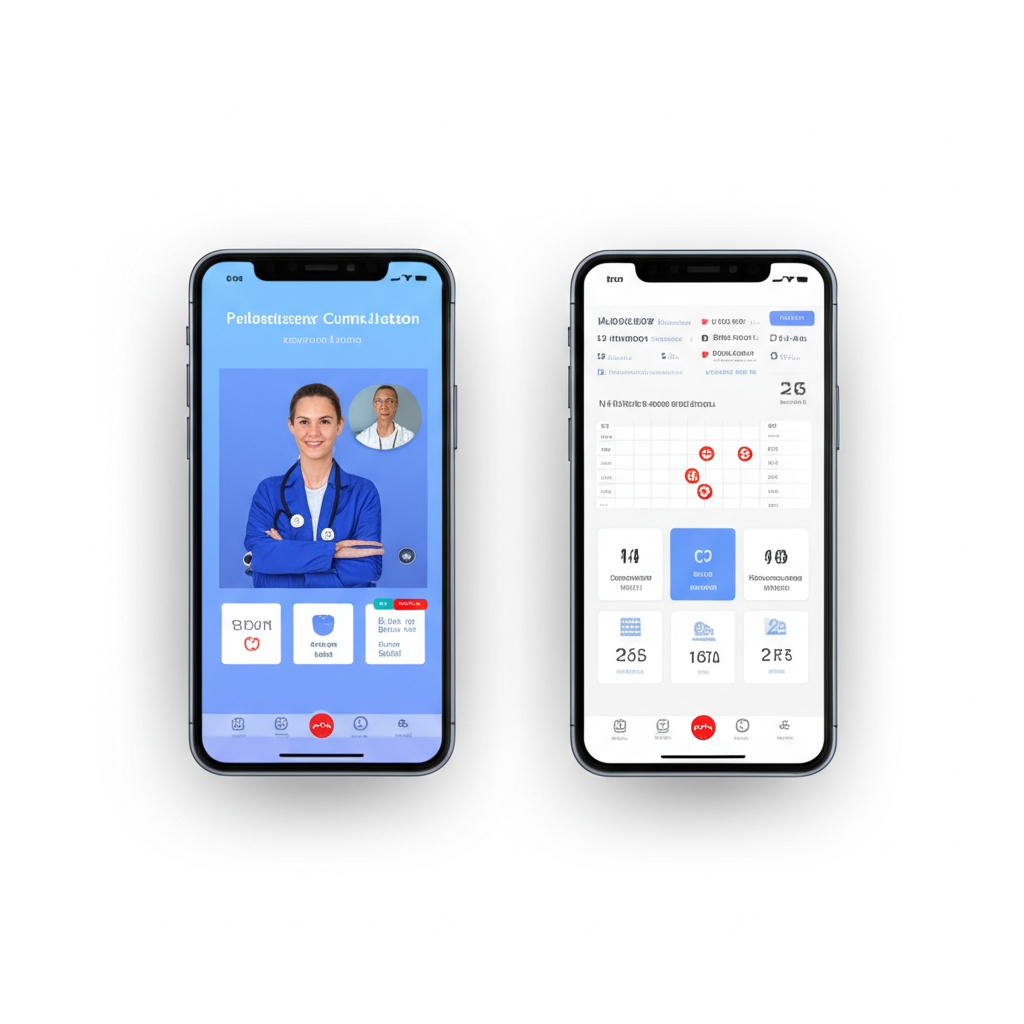
Healthcare & Wellness App Development: Transforming Patient Care
The healthcare industry is undergoing a massive digital transformation, and mobile applications are at the forefront. From telemedicine solutions offering remote consultations to patient care platforms streamlining communication, and wellness tracking apps empowering individuals to take control of their health, the possibilities are endless. This blog post delves into the key aspects of healthcare and wellness app development.
Telemedicine Solutions: Bridging the Distance
Telemedicine apps are revolutionizing access to healthcare, particularly for patients in remote areas or those with mobility issues. These apps facilitate virtual consultations, remote monitoring, and even online prescriptions. Key features of successful telemedicine apps include secure video conferencing, appointment scheduling, electronic health record (EHR) integration, and secure payment gateways. Developing a user-friendly interface is crucial to ensuring adoption by both patients and healthcare providers.
Patient Care Platforms: Streamlining Communication and Management
Patient care platforms aim to improve the overall patient experience by centralizing communication, appointment management, and access to medical information. These platforms often include features such as secure messaging with healthcare providers, online appointment scheduling, prescription refills, access to lab results, and educational resources. Data security and privacy (HIPAA compliance) are paramount when developing these platforms.
Wellness Tracking Applications: Empowering Proactive Health Management
Wellness tracking apps are designed to help individuals monitor and improve their health and well-being. These apps can track various metrics, including activity levels, sleep patterns, nutrition intake, heart rate, and stress levels. Many wellness apps also incorporate features like personalized coaching, gamification, and social support to motivate users to stay engaged. Key considerations include accuracy of data collection, integration with wearable devices, and providing actionable insights based on the collected data.
Key Considerations for Healthcare App Development
- Security and Privacy: HIPAA compliance and robust security measures are essential to protect sensitive patient data.
- User Experience (UX): The app should be intuitive and easy to use for both patients and healthcare providers.
- Interoperability: Integration with existing healthcare systems (EHRs, billing systems) is crucial for seamless data exchange.
- Scalability: The app should be able to handle a growing number of users and data volume.
- Regulatory Compliance: Adherence to all relevant regulations (e.g., FDA guidelines) is mandatory.
The Future of Healthcare Apps
The future of healthcare app development is bright, with continued advancements in AI, machine learning, and IoT paving the way for even more innovative solutions. We can expect to see more personalized and predictive healthcare apps that can anticipate patient needs and provide proactive interventions. The key to success lies in focusing on patient-centric design, prioritizing data security, and embracing new technologies to improve the quality and accessibility of healthcare.