
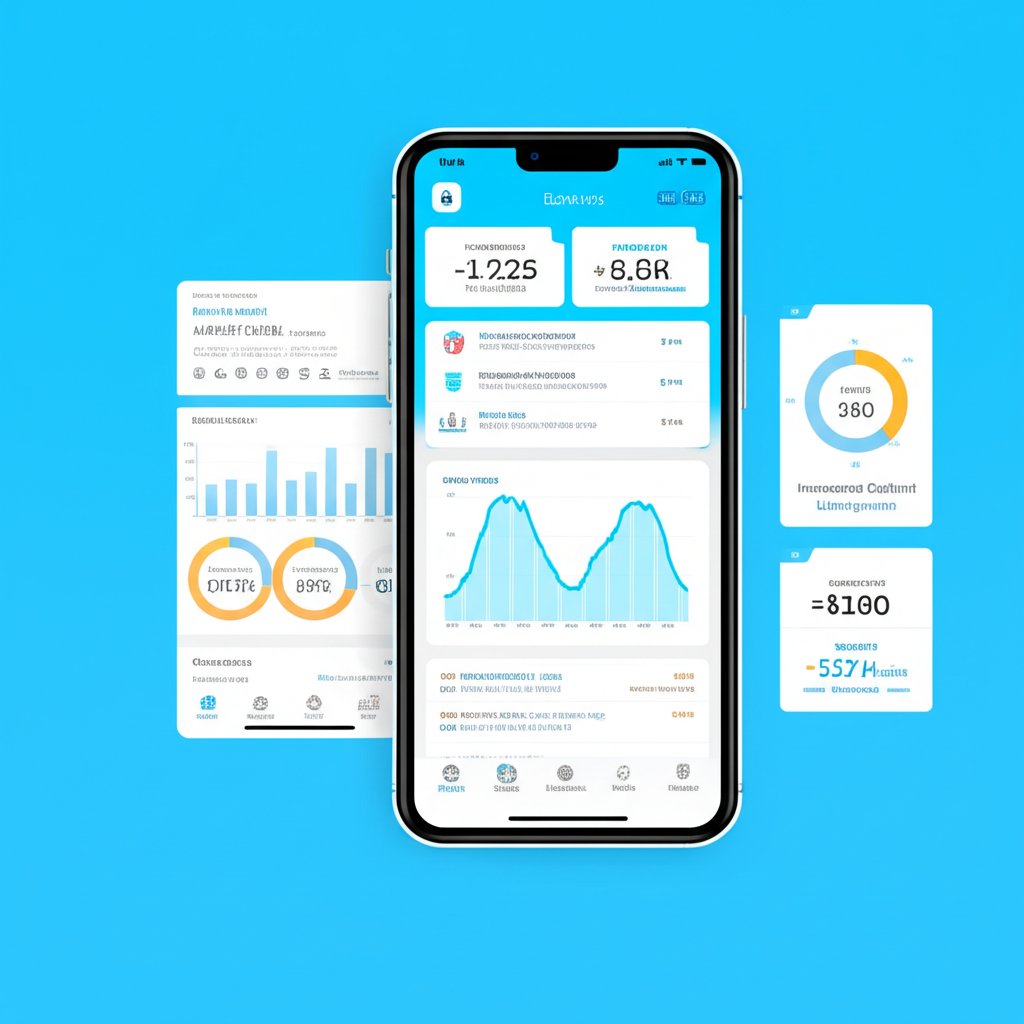
Fintech App Development: Secure Transactions and Digital Banking Solutions
The fintech revolution is transforming the banking, finance, and insurance sectors. Mobile applications are at the forefront of this change, offering customers unprecedented convenience and access to financial services. However, this rapid growth comes with significant challenges, particularly concerning security and regulatory compliance. This blog post explores key considerations for fintech app development, focusing on building secure transaction systems and robust digital banking solutions.
Secure Transaction Systems: The Cornerstone of Fintech
Trust is paramount in the financial industry. Users need to be confident that their transactions are secure and their data is protected. Implementing robust security measures is therefore crucial for any fintech app.
- Encryption: End-to-end encryption is essential for protecting sensitive data during transmission and storage. This includes using TLS/SSL protocols for secure communication and encrypting data at rest using strong encryption algorithms.
- Multi-Factor Authentication (MFA): MFA adds an extra layer of security by requiring users to provide multiple forms of identification. This can include passwords, biometric data (fingerprints or facial recognition), or one-time passwords (OTPs) sent to their mobile devices.
- Tokenization: Replacing sensitive data, such as credit card numbers, with non-sensitive tokens reduces the risk of data breaches. Even if a system is compromised, the actual financial information remains secure.
- Fraud Detection and Prevention: Implementing sophisticated fraud detection systems that can identify and flag suspicious transactions in real-time is crucial. This can involve analyzing transaction patterns, user behavior, and device information.
- Regular Security Audits and Penetration Testing: Periodic security audits and penetration testing can help identify vulnerabilities and weaknesses in the app's security infrastructure. These assessments should be conducted by independent security experts.
Digital Banking Solutions: Convenience and Accessibility
Fintech apps are enabling a new era of digital banking, offering customers a wide range of services accessible anytime, anywhere.
- Mobile Banking: Mobile banking apps allow users to manage their accounts, transfer funds, pay bills, and view transaction history from their smartphones or tablets.
- Digital Wallets: Digital wallets enable users to store their credit cards, debit cards, and other payment methods securely on their mobile devices. They can then use their phones to make contactless payments at participating merchants.
- Peer-to-Peer (P2P) Payments: P2P payment apps facilitate instant money transfers between individuals, often using just their email addresses or phone numbers.
- Personal Finance Management (PFM): PFM apps help users track their spending, create budgets, and set financial goals. They often integrate with bank accounts and credit cards to provide a comprehensive view of a user's financial situation.
- Automated Investing (Robo-Advisors): Robo-advisors use algorithms to provide automated investment advice and portfolio management services, making investing more accessible to a wider range of individuals.
Regulatory Compliance
Fintech app development must comply with relevant regulations, such as GDPR (General Data Protection Regulation), PSD2 (Revised Payment Services Directive), and KYC (Know Your Customer) requirements. Failure to comply with these regulations can result in hefty fines and reputational damage.
Choosing the Right Technology Stack
Selecting the right technology stack is critical for building a secure and scalable fintech app. Consider factors such as security, performance, and scalability when making your decision. Popular options include:
- Programming Languages: Java, Swift, Kotlin, Python, Javascript
- Frameworks: React Native, Flutter, Ionic, Angular
- Databases: PostgreSQL, MySQL, MongoDB
- Cloud Platforms: AWS, Azure, Google Cloud
Conclusion
Fintech app development is a complex and challenging undertaking, but it also offers tremendous opportunities for innovation and growth. By prioritizing security, focusing on user experience, and adhering to regulatory requirements, developers can create fintech apps that transform the way people manage their finances. The future of banking, finance, and insurance is undoubtedly digital, and secure, user-friendly fintech apps will be at the heart of this transformation.