
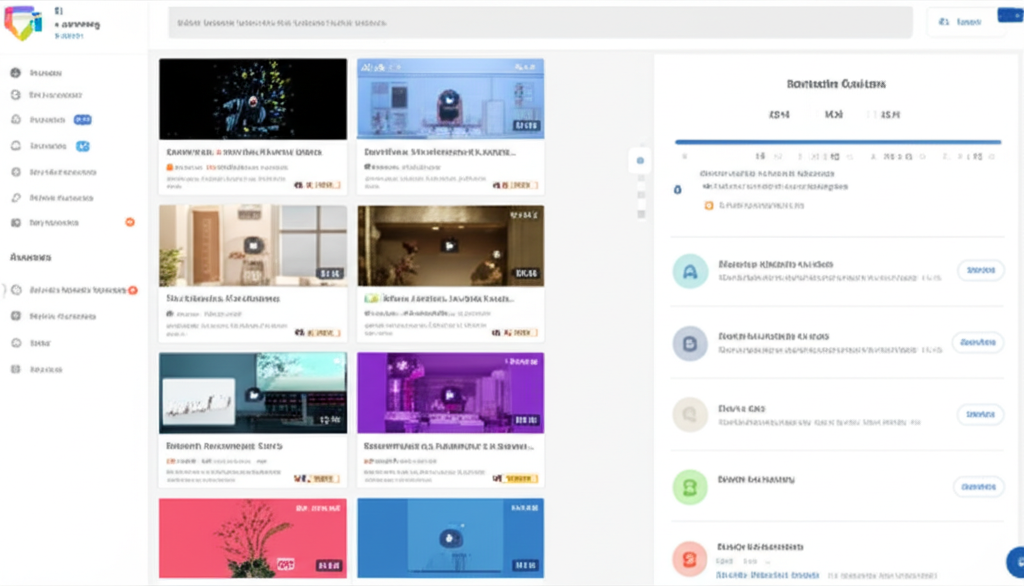
Building the Future of Education: Interactive E-Learning Platforms
E-learning has revolutionized education, moving beyond traditional classroom settings. The development of robust and engaging e-learning platforms is now paramount. This post explores key aspects of creating interactive learning apps and implementing effective educational technology solutions.
Interactive Learning Apps: The Heart of Engagement
Passive learning is out; active engagement is in! Interactive learning apps are crucial for keeping learners motivated and improving knowledge retention. Key features include:
- Gamification: Integrating game mechanics like points, badges, and leaderboards to incentivize progress and make learning fun.
- Interactive Simulations: Providing realistic simulations of real-world scenarios to apply theoretical knowledge.
- Personalized Learning Paths: Adapting the learning experience to individual student needs and learning styles using adaptive algorithms.
- Collaborative Learning Tools: Incorporating features like forums, group projects, and virtual classrooms to foster peer-to-peer interaction.
- Multimedia Content: Utilizing a diverse range of content formats, including videos, animations, interactive infographics, and audio lectures, to cater to different learning preferences.
Educational Technology Solutions: Powering the Platform
Developing a successful e-learning platform requires a strategic approach to educational technology solutions. Important considerations include:
- Learning Management System (LMS): Selecting or building an LMS that provides robust features for course creation, content management, student enrollment, progress tracking, and assessment.
- Mobile Learning (m-learning): Optimizing the platform for mobile devices to ensure accessibility and flexibility for learners on the go.
- Accessibility: Adhering to accessibility standards (e.g., WCAG) to ensure that the platform is usable by individuals with disabilities.
- Data Analytics: Implementing data analytics tools to track student performance, identify areas for improvement, and personalize the learning experience.
- Security: Prioritizing data security and privacy to protect student information and prevent unauthorized access.
- Integration: Ensuring seamless integration with other educational tools and resources, such as online libraries and research databases.
Challenges and Opportunities
Developing interactive e-learning platforms presents several challenges, including:
- Content Development Costs: Creating high-quality, engaging content can be expensive and time-consuming.
- Ensuring Accessibility: Designing for accessibility requires specialized expertise and can add to development costs.
- Maintaining Student Engagement: Keeping learners motivated and engaged over time requires careful planning and continuous innovation.
- Keeping up with Evolving Technologies: Staying current with the latest technological advancements in e-learning is essential.
However, the opportunities are vast. Interactive e-learning platforms have the potential to:
- Reach a Wider Audience: Democratize access to education by reaching learners in remote areas or those with limited access to traditional educational institutions.
- Personalize the Learning Experience: Tailor the learning experience to individual student needs and learning styles.
- Improve Learning Outcomes: Enhance knowledge retention and improve academic performance through active engagement and personalized feedback.
- Reduce Costs: Lower the overall cost of education by reducing the need for physical infrastructure and printed materials.
Conclusion
Interactive e-learning platforms are transforming education, offering learners engaging and personalized experiences. By focusing on interactive learning apps and leveraging effective educational technology solutions, we can build a future where education is accessible, engaging, and effective for all. The key lies in embracing innovation, prioritizing accessibility, and continuously seeking ways to improve the learning experience.